
Ensuring Child Health and Nutrition Kenya: A Path to a Brighter Future
- May 25
- 4 min read
Ensuring that children receive proper nutrition is a fundamental step toward building a healthier society. In Kenya, where many families face economic and environmental challenges, the need for effective child nutrition strategies is urgent. We must understand the complexities of child nutrition and work together to provide safe, affordable, and high-quality food options that support the growth and development of infants, toddlers, and school-aged children.
Understanding Child Health and Nutrition Kenya
Child health and nutrition in Kenya are influenced by various factors, including food availability, cultural practices, education, and access to healthcare. Malnutrition remains a significant concern, with many children suffering from stunting, wasting, and micronutrient deficiencies. These conditions can have long-lasting effects on cognitive development, immune function, and overall well-being.
To address these challenges, we need a multi-faceted approach that includes:
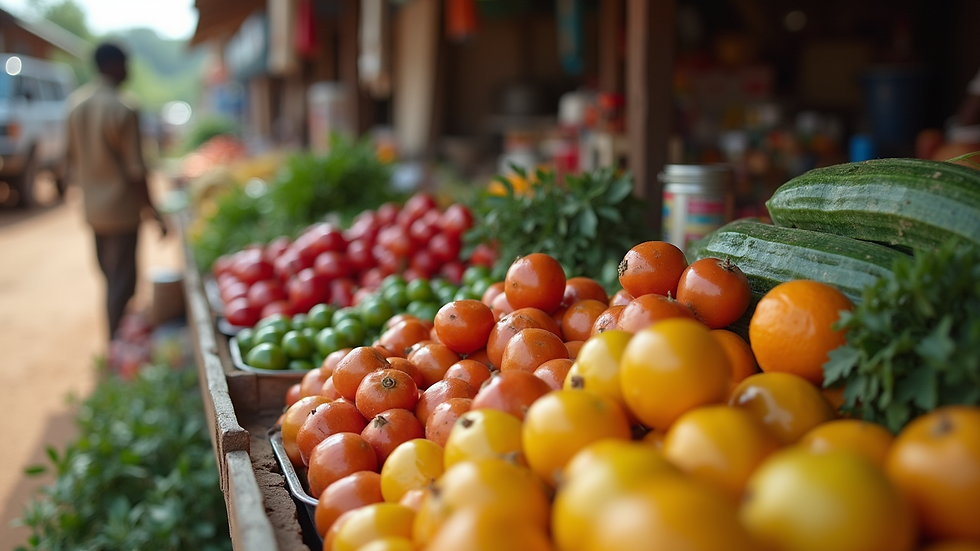
Improving access to nutritious foods: This means promoting locally sourced, fortified foods that meet the dietary needs of children at different stages of growth.
Educating caregivers and communities: Knowledge about balanced diets, breastfeeding, and complementary feeding practices is essential.
Strengthening healthcare services: Regular growth monitoring, immunization, and treatment of infections support better nutrition outcomes.
Supporting women-led supply chains: Empowering women in agriculture and food production ensures sustainable access to nutritious foods.
By focusing on these areas, we can create an environment where every child in Kenya has the opportunity to thrive.
The Role of Fortified Foods in Child Nutrition
Fortified foods play a crucial role in combating micronutrient deficiencies that are common among children in Kenya. These foods are enriched with essential vitamins and minerals such as iron, vitamin A, zinc, and folic acid, which are vital for healthy growth and immune function.
For example, fortified maize flour and porridge mixes are widely used to provide children with the nutrients they might not get from their regular diet. These products are especially important in areas where dietary diversity is limited due to poverty or seasonal food shortages.
We must also consider the importance of baby foods tailored to infants and toddlers. These foods should be safe, easy to digest, and nutritionally balanced to support rapid growth phases. By offering affordable fortified options, we can help reduce malnutrition rates and improve child health outcomes.
What are the 4 components of imam?
While this question may seem unrelated at first glance, understanding the four components of Imam (Imam stands for Integrated Management of Acute Malnutrition) is essential in the context of child nutrition in Kenya. The approach focuses on:
Community Mobilization - Engaging communities to recognize malnutrition signs and seek timely care.
Outpatient Therapeutic Care - Providing treatment for children with severe acute malnutrition without complications.
Inpatient Care - Managing complicated cases of malnutrition in health facilities.
Supplementary Feeding Programs - Supporting children with moderate acute malnutrition through additional nutritious food.
This integrated approach ensures that children receive the right care at the right time, reducing mortality and improving recovery rates.

Practical Steps to Improve Child Nutrition in Kenya
We can take several practical steps to enhance child nutrition across Kenya. These actions involve collaboration between families, communities, healthcare providers, and organizations:
Promote Exclusive Breastfeeding
Encourage mothers to exclusively breastfeed infants for the first six months. Breast milk provides all the necessary nutrients and antibodies to protect babies from infections.
Introduce Complementary Feeding at Six Months
After six months, introduce nutrient-rich complementary foods while continuing breastfeeding. Foods should be diverse, including grains, legumes, fruits, vegetables, and animal proteins where possible.
Use Fortified Foods and Supplements
Incorporate fortified foods and micronutrient supplements to fill dietary gaps, especially in vulnerable populations.
Educate Caregivers on Nutrition and Hygiene
Teach caregivers about balanced diets, safe food preparation, and hygiene practices to prevent infections that can worsen malnutrition.
Support Local Food Production
Encourage small-scale farming and women-led food enterprises to increase the availability of nutritious foods locally.
Regular Health Check-ups and Growth Monitoring
Ensure children attend health clinics for immunizations and growth assessments to detect and address nutrition issues early.
By implementing these steps, we can create a supportive environment that nurtures healthy children.
The Importance of Collaboration and Innovation
Addressing child nutrition in Kenya requires collaboration across sectors. Governments, NGOs, schools, and private companies must work together to develop innovative solutions that reach underserved communities.
For instance, leveraging technology to track nutrition data can help identify high-risk areas and tailor interventions. Schools can serve as platforms for nutrition education and meal programs. Women-led supply chains can be supported through training and access to markets, ensuring sustainability.
Innovation also means developing new food products that are culturally acceptable, affordable, and nutrient-dense. These products should be designed with input from local communities to meet their specific needs.
Together, we can build a resilient food system that supports child health and nutrition for generations to come.
Moving Forward with Confidence and Commitment
Ensuring child nutrition in Kenya is not just a goal - it is a responsibility we share. By focusing on safe, affordable, and high-quality fortified foods, educating caregivers, and strengthening community support, we can make a lasting impact.
We invite everyone to join this journey. Whether through advocacy, partnership, or direct action, every effort counts. Let us commit to nurturing the potential of every child, providing them with the foundation they need to grow, learn, and succeed.
For more information on how to support child nutrition efforts, visit child nutrition in kenya.

Together, we can ensure a healthier, brighter future for Kenya’s children.

Comments